
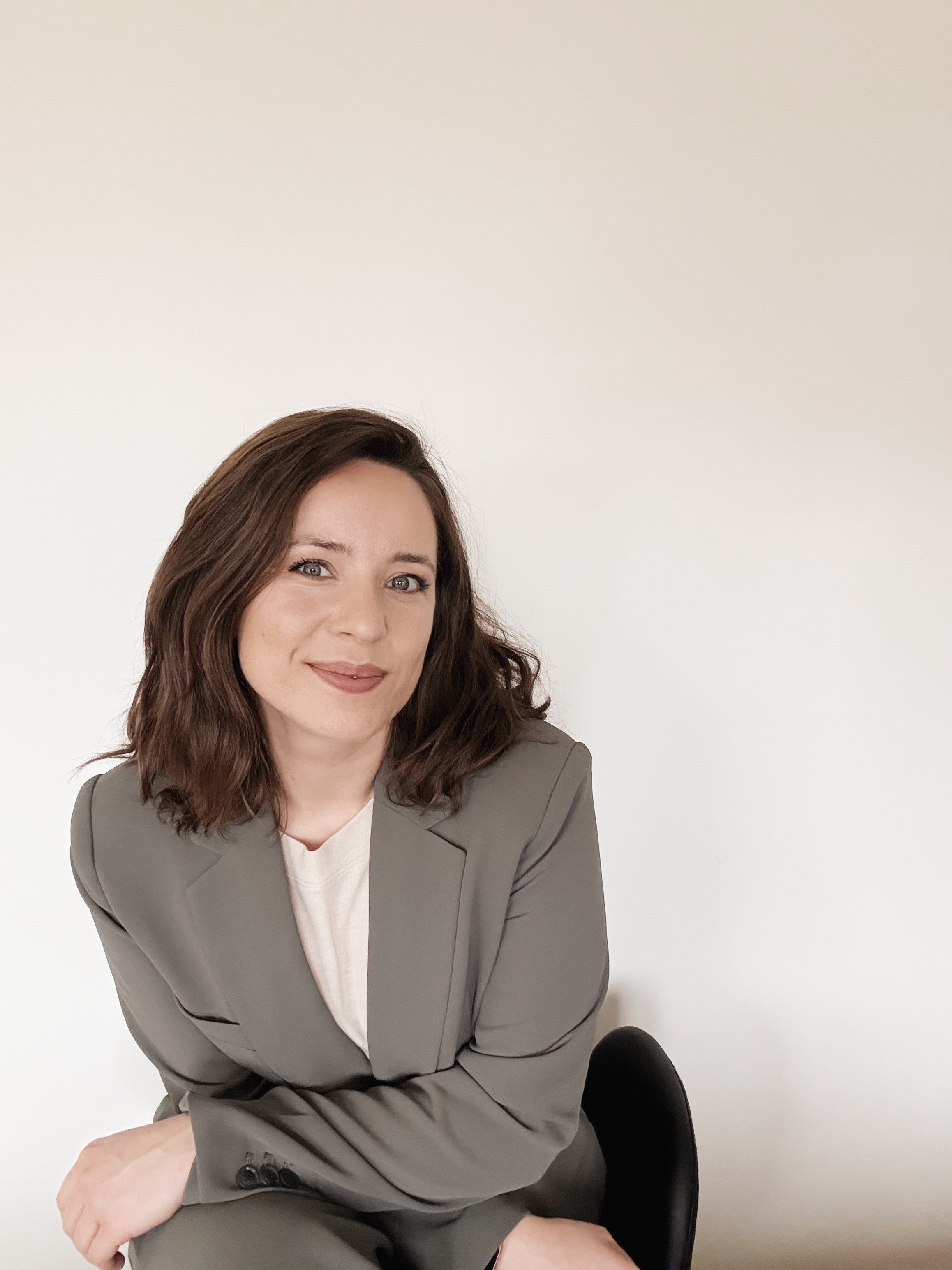
HI, I’M AUSTĖJA
A LITTLE OF MY STORY
It started with being the quiet kid who paid very close attention to how power moved through a room.
Some people seemed to have it naturally — authority, presence, the ability to be heard. I didn’t.
So I studied it instead.
This is a space for women who are already capable — and ready to finally operate like they know it.
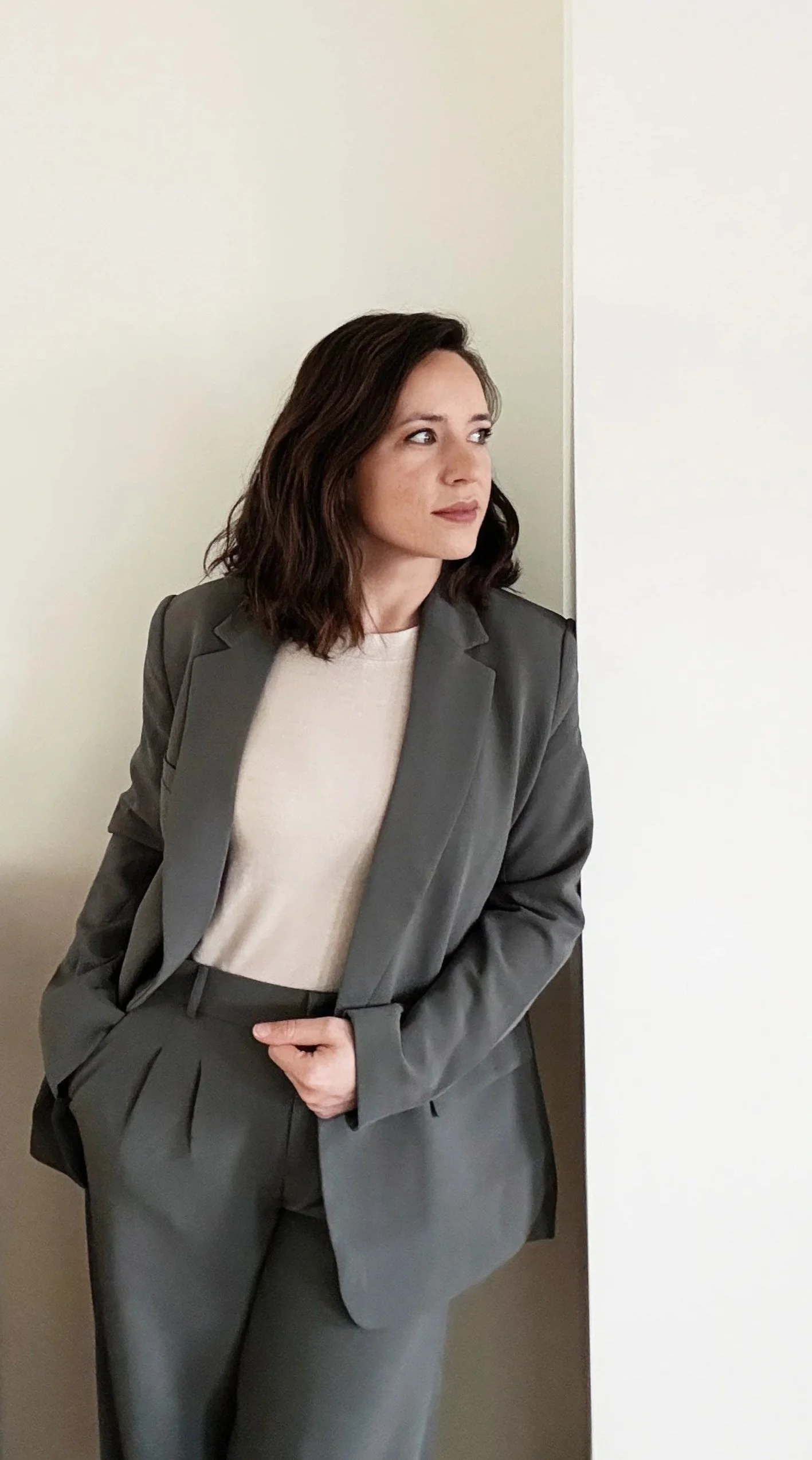
I help women step into leadership roles without spiraling into self-doubt, overworking, or second-guessing themselves.
You didn’t get here by accident.
But the habits that earned you this role aren’t the same ones that will help you succeed in it.
→ still doing work that no longer belongs to you
→ overpreparing to stay ahead of doubt
→ editing your perspective before you say it
→ reading every room like it’s a test
→ holding everything together while quietly unraveling
You’ve tried it all:
Gut checks with your best friend. Your mentor. Your partner. Your mom..
Giving yourself pep talks in the car on the way in. Arriving feeling ready. Losing it somewhere between the parking lot and your first meeting.
Doing more work yourself instead of delegating (at least you know it’ll be done right and on time)
Acting like you have it handled — because admitting you don't feels like handing someone the evidence they've been looking for.
Podcasts on confidence. Books on mindset. Highlighting passages that feel true at 10:30 pm and completely useless by 9 am the next morning.
And still — more exhaustion. More doubt. More overthinking.
Look: the problem isn't your attitude or your effort. It's that no one told you that competence at this level looks completely different.
I’ve Been There
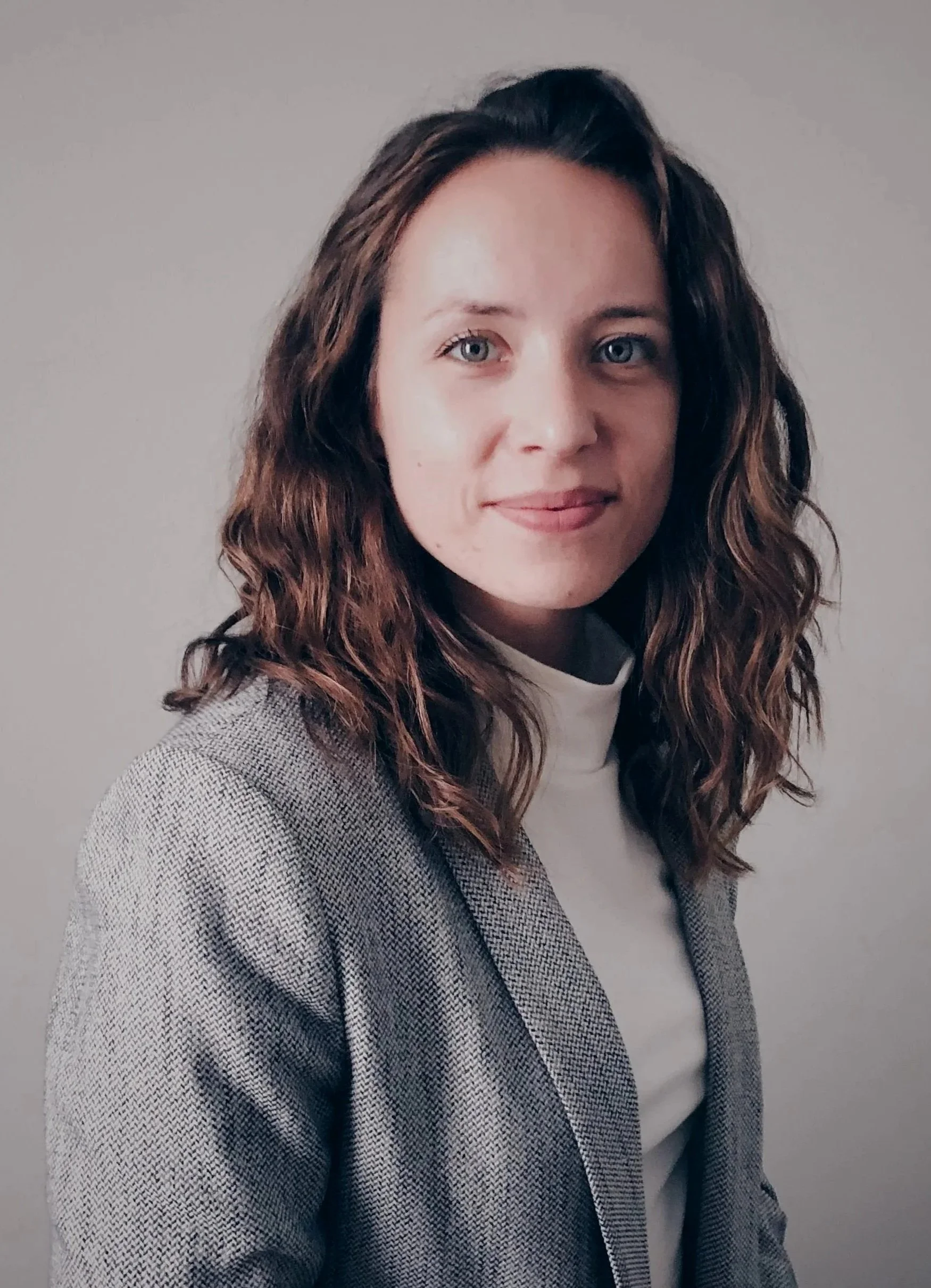
Here’s me - newly promoted to Director, eager to prove myself.
My title changed. The way I worked didn't.
I'd sit in meetings with a clear perspective forming in my head and say nothing — too afraid it would land wrong, or that someone would push back, and I wouldn't be able to hold my ground.
I'd spend an hour drafting an email, trying to figure out how to challenge something without sounding difficult.
And when things piled up, and I couldn't figure out the priorities on my own, I'd just absorb the stress and keep spinning instead of pushing the question back up to leadership where it belonged.
And I was going home exhausted.
The thing is, I had gotten really good at being responsive, always useful, always focusing on the details. That's what had earned me every promotion up to this point.
Now, it felt like I'd been handed a role that was slightly too big, and any minute someone was going to figure that out.
I assumed I needed more confidence.
I didn’t.
What I needed was a new operating system. I was coming at it with my old ways: people-pleasing, self-censoring, and overdelivering. I thought the more effort I put in, the more successful I’d be.
Things didn’t start to change until I started getting clear on what was and wasn't mine to own, and trusting my own read on things. And when I did, something unexpected happened. People stopped bringing me problems to solve and started bringing me their thinking to pressure-test. I got pulled into conversations earlier. Asked for my perspective instead of my output.
Turns out, the thing that feels most exposed — having a perspective, holding it, letting people see where you actually stand — is what makes your peers at this new level see you as a leader. Someone to think with instead of handing work to.
I read the books. Listened to the podcasts. I bought what I jokingly called my "C-suite blazer," thinking if I embodied authority strongly enough, the internal shift would follow.
Why you can trust me with this
ICF PCC Certified | 1400+ Coaching Hours | Cross-Industry Experience
The first book I remember picking up was How to Talk to Anyone, Anytime, Anywhere by Larry King. I wasn’t thinking about “leadership” at the time. I just knew there was a difference in how people were received - who got listened to, who didn’t - and I couldn’t quite access that yet.
So I paid attention to how people spoke, to how ideas landed, and to who got taken seriously - and why.
Over time that turned into something more structured. Frameworks, patterns, a way of making sense of what’s happening underneath the surface of a role or a conversation.
Since then, I’ve worked across marketing, operations, development, and client services — long enough to recognize the patterns quickly.
When you walk me through a situation, I’m not trying to motivate you or give you a better mindset. I’m listening for where your current approach aligns with what the role actually asks of you — and where it doesn’t.
What the shift actually looks like:
You stop trying to do the whole job yourself.
You catch what isn’t yours to do earlier.
You say what you actually think in meetings (even when it’s not perfect).
Hard conversations don’t disappear, but they do stop taking over your entire week.
You still notice the room. You don’t build a story out of every pause, look, and shift in tone.
You don’t need to be across everything to feel in control. You know where you’re meant to be paying attention — and where you’re not.
You decide without checking it against five imagined reactions first.
Nothing about the role changes - the way you work does.
A few things about me
Taurus sun, Capricorn moon, Virgo rising, Human Design Projector 6/3. Which tracks, if you know anything about either.
I will stay up until 3 am reading fantasy novels once I'm hooked. It's a problem. I'm aware.
Two winters ago, I bought a banjo, thinking I'd casually pick it up. Turns out I do not speak banjo.
My name means goddess of bees, which feels fitting given how much of my work is about systems, structure, and collective intelligence.
I have a low tolerance for advice that sounds good but doesn’t hold up on a real Tuesday afternoon.

Ready to recalibrate?
If you’re in a new role and already questioning yourself, this is the work.
My 4-week intensive is designed for this moment — to help you move from performing your role to actually inhabiting it.